Experiences and activities
Travel has evolved far beyond simply visiting landmarks and taking photographs. Modern travelers increasingly seek meaningful experiences that create lasting memories, foster cultural understanding, and provide personal enrichment. Whether you’re rappelling down waterfalls in a tropical rainforest, learning traditional cooking techniques from a local chef, or participating in a community art project, the activities you choose fundamentally shape your travel narrative and determine the depth of your connection to a destination.
The spectrum of available experiences has expanded dramatically, offering something for every interest, fitness level, and budget. From adrenaline-pumping adventures to contemplative cultural exchanges, from structured group tours to spontaneous local encounters, understanding the landscape of travel activities empowers you to craft journeys that align with your personal values and aspirations. This comprehensive resource examines the essential categories of travel experiences, practical selection criteria, and planning strategies to help you make informed choices that transform ordinary trips into extraordinary adventures.
What Types of Travel Experiences Can Transform Your Journey?
The world of travel activities encompasses a rich diversity of options, each offering distinct benefits and appealing to different traveler personalities. Understanding these categories helps you identify experiences that resonate with your interests and travel objectives.
Cultural and Heritage Activities
Cultural experiences form the foundation of authentic travel, allowing you to connect with local traditions, history, and daily life. These activities might include guided tours of historical sites with expert historians, hands-on workshops in traditional crafts like pottery or textile weaving, or participation in local festivals and ceremonies. Museum visits become more meaningful when paired with specialized lectures, while walking tours led by residents provide insider perspectives that generic guidebooks cannot capture. Language exchange sessions, homestays, and cooking classes with local families offer intimate windows into cultural practices and values, fostering genuine human connections across cultural boundaries.
Adventure and Outdoor Pursuits
For those seeking physical challenges and natural beauty, adventure activities span a remarkable range of intensity levels. Soft adventure options like hiking established trails, kayaking calm waters, or cycling through countryside landscapes accommodate beginners and families, while hard adventure pursuits such as mountaineering, white-water rafting, or cave diving demand specialized skills and equipment. Wildlife safaris, snorkeling expeditions, and bird-watching tours combine outdoor exploration with environmental education. The key distinction lies not in difficulty alone, but in the level of risk, required expertise, and physical demands involved.
Culinary and Gastronomic Experiences
Food-focused activities have emerged as one of the fastest-growing tourism sectors, reflecting our understanding that cuisine serves as a delicious gateway to culture. Street food tours introduce you to local flavors in their most authentic context, while multi-course dining experiences at renowned restaurants showcase culinary artistry. Cooking classes, market tours with chefs, wine and spirits tastings, and farm-to-table experiences connect food directly to its sources. Agritourism activities like olive harvesting, cheese-making workshops, or vineyard tours combine hands-on participation with education about agricultural traditions and sustainable practices.
How Do You Choose Activities That Match Your Travel Style?
Selecting the right experiences requires honest self-assessment and clear prioritization. Several factors should inform your decision-making process to ensure activities enhance rather than detract from your overall journey.
Begin by evaluating your physical capabilities and comfort zones. An activity rated as “moderate difficulty” by operators may feel easy to seasoned hikers but overwhelming to sedentary travelers. Consider not just your current fitness level, but also factors like altitude, climate conditions, and whether you’ll be recovering from jet lag. Similarly, assess your risk tolerance honestly—some travelers find bungee jumping exhilarating while others prefer the gentler thrill of a scenic train ride through mountains.
Time allocation deserves careful consideration. Multi-day treks require significant portions of your itinerary, while half-day activities allow greater flexibility. Balance structured experiences with unscheduled time for spontaneous exploration and rest. Experienced travelers often recommend the 70-30 rule: pre-book roughly 70% of major activities while leaving 30% of your time open for serendipitous discoveries, weather-dependent decisions, or simply the freedom to linger somewhere unexpectedly captivating.
Budget considerations extend beyond the ticket price. Factor in equipment rentals, transportation to activity locations, guide gratuities, and potential expenses for photographs or souvenirs. Some experiences offer exceptional value by including meals, entrance fees, and transportation, while others charge these elements separately. Compare not just prices but what’s included in each package to make accurate cost assessments.
What Makes an Experience Authentic and Meaningful?
The pursuit of authenticity has become a defining characteristic of contemporary travel, yet the concept itself requires nuanced understanding. Authentic experiences generally share several identifiable qualities that distinguish them from superficial tourist attractions.
Local Ownership and Community Benefit
Truly authentic activities are typically owned and operated by local residents rather than international corporations, ensuring that tourism revenue directly benefits the communities you visit. Community-based tourism initiatives, family-run workshops, and locally-guided tours create economic opportunities for residents while preserving traditional knowledge and practices. When researching activities, investigate who owns the operation, where profits flow, and whether local people participate as equal partners rather than merely as employed labor or exotic subjects for photographs.
Cultural Respect and Appropriate Engagement
Meaningful experiences demonstrate respect for local customs, religious practices, and social norms. They avoid commodifying sacred traditions or staging “performances” that distort cultural practices for tourist consumption. Authentic operators provide context and education about proper behavior, dress codes, photography restrictions, and participation boundaries. They create opportunities for genuine exchange rather than one-way observation, positioning you as a respectful guest rather than a passive consumer of exotic spectacles.
Environmental and Social Responsibility
Increasingly, authenticity encompasses sustainability considerations. Responsible operators minimize environmental impact through practices like limiting group sizes, following leave-no-trace principles, and contributing to conservation efforts. They employ fair labor practices, pay living wages, and avoid exploiting animals or vulnerable populations. Certifications from recognized organizations provide some assurance, though personal research and traveler reviews often reveal more detailed insights into an operation’s actual practices versus marketed claims.
Where Can You Find and Book Quality Experiences?
The landscape of activity booking has transformed dramatically, offering travelers multiple channels with distinct advantages and limitations. Understanding these options helps you make strategic decisions that balance convenience, cost, and quality assurance.
Online platforms and marketplaces aggregate thousands of experiences across destinations worldwide, offering user reviews, comparison shopping, and secure payment systems. These platforms typically provide customer protection policies and standardized cancellation terms, though they also charge operators commission fees that may be reflected in pricing. Read reviews critically, looking for specific details rather than generic praise, and note whether reviewers share similar interests and travel styles to your own.
Booking directly with local operators often yields better prices since you eliminate middleman commissions, and it ensures maximum revenue reaches the community. Direct booking also facilitates communication for custom requests, dietary restrictions, or accessibility needs. However, it requires more research to identify reputable operators, and payment security may vary depending on the provider’s infrastructure and business practices.
Hotel concierges and local tourism offices provide curated recommendations based on firsthand knowledge, though their suggestions may favor operators who pay commission or maintain business relationships. Don’t hesitate to ask specific questions: “Which company has the most experienced guides?” or “What’s the difference between these two similar tours?” elicits more useful information than simply requesting “your best recommendation.”
When Should You Book Activities in Your Travel Timeline?
Timing your bookings appropriately balances securing desired experiences against maintaining itinerary flexibility. Different activity types demand different booking strategies for optimal results.
High-demand experiences with limited capacity—such as permits for restricted sites, popular tours during peak seasons, or specialized activities requiring advance preparation—should be booked months ahead. Certain permits, like those for some national parks or archaeological sites, have daily visitor limits and can sell out weeks or even months in advance. Similarly, small-group experiences with maximum participant numbers fill quickly during high season.
Moderate-demand activities typically allow booking windows of several weeks to a few days before your visit, providing a reasonable balance between security and flexibility. This timing works well for most organized tours, cooking classes, and adventure activities that operate multiple departures weekly. Booking in this intermediate window also allows you to monitor weather forecasts and adjust accordingly—postponing a snorkeling trip if storms are predicted, for example.
Spontaneous bookings made upon arrival work best for activities with flexible capacity, walk-in availability, or weather-dependent timing. Local markets, self-guided experiences, and some cultural sites accommodate last-minute decisions beautifully. This approach also enables you to act on recommendations from fell

How to Audit an “Eco-Tour” Company Before Booking?
Booking a genuine eco-tour requires you to act less like a tourist and more like an auditor, scrutinizing an operator’s entire value chain to separate real conservation from profitable greenwashing. Financial transparency is a non-negotiable indicator; vague promises about donating…
Read more
How to Choose a Safari Operator That Genuinely Contributes to Conservation
Choosing an ‘ethical’ safari isn’t about finding a green logo; it’s about conducting a forensic audit of an operator’s on-the-ground impact. True conservation is evidenced by habitat integrity, not just “guaranteed” sightings. Financial transparency and community equity are non-negotiable indicators…
Read more
How to Access Authentic Cultural Performances Not Made for Tourists?
Truly accessing authentic performance requires shifting from a tourist’s quest for a location to an observer’s understanding of the cultural systems that give it life. Authenticity thrives in community-run spaces where ritual and social meaning take precedence over commercial entertainment….
Read more
How to Choose a Craft Workshop That Supports Real Artisans?
Contrary to popular belief, a truly authentic craft experience isn’t something you can simply buy; it’s a space you must earn by showing respect, understanding, and ethical awareness. Authenticity is found in an artisan’s commitment to knowledge transmission and community…
Read more
How to Swim with Marine Life: A Guide to Safe and Ethical Encounters
The desire for a magical connection with marine life can unintentionally lead to stress, harm, and even death for the animals we admire. The solution isn’t just a list of rules, but a deeper understanding of the ‘why’ behind them….
Read more
How to Get Scuba Certified Abroad Without Compromising Safety?
Trusting a dive shop’s logo or online reviews is not enough to guarantee your safety underwater. Safety is rooted in physics and physiology—unforgiving laws you must understand before descending. Your most important new skill is learning to be a ‘safety…
Read more
How to Participate in Domestic Traditions Without Being Intrusive?
In summary: True cultural participation comes from understanding the “why” behind customs, not just memorizing rules. Active observation is your most powerful tool for navigating unspoken social cues in a homestay. Focus on small, respectful gestures of reciprocity to build…
Read more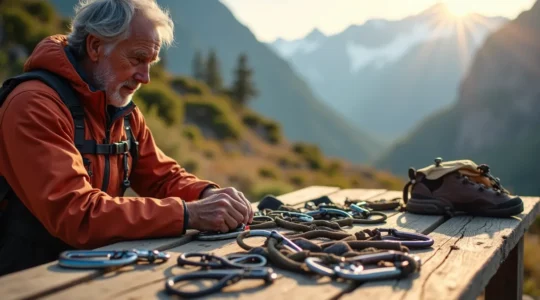
How to Choose an Outdoor Adventure Provider That Won’t Kill You?
The safety of your adventure doesn’t lie in a provider’s license, but in your ability to spot systemic failures before they become fatal flaws. Vetting a provider means probing their safety culture, not just checking for a certificate. Personal equipment…
Read more
High-Altitude Preparation: How to Safely Prepare Your Body for Thin Air
Many fit travelers believe their physical conditioning is a passport to high-altitude success. It is not. True acclimatization is a non-negotiable physiological process, not a test of toughness that can be rushed. Subtle, early signs of altitude sickness must be…
Read more
How to Find the Underground Culture in a City of Tourist Traps?
You’re in a new city, but all you see are selfie sticks and tourist traps. The real, modern pulse of the destination feels just out of reach. Authentic culture isn’t found by accident; it’s uncovered by acting like a ‘cultural…
Read more