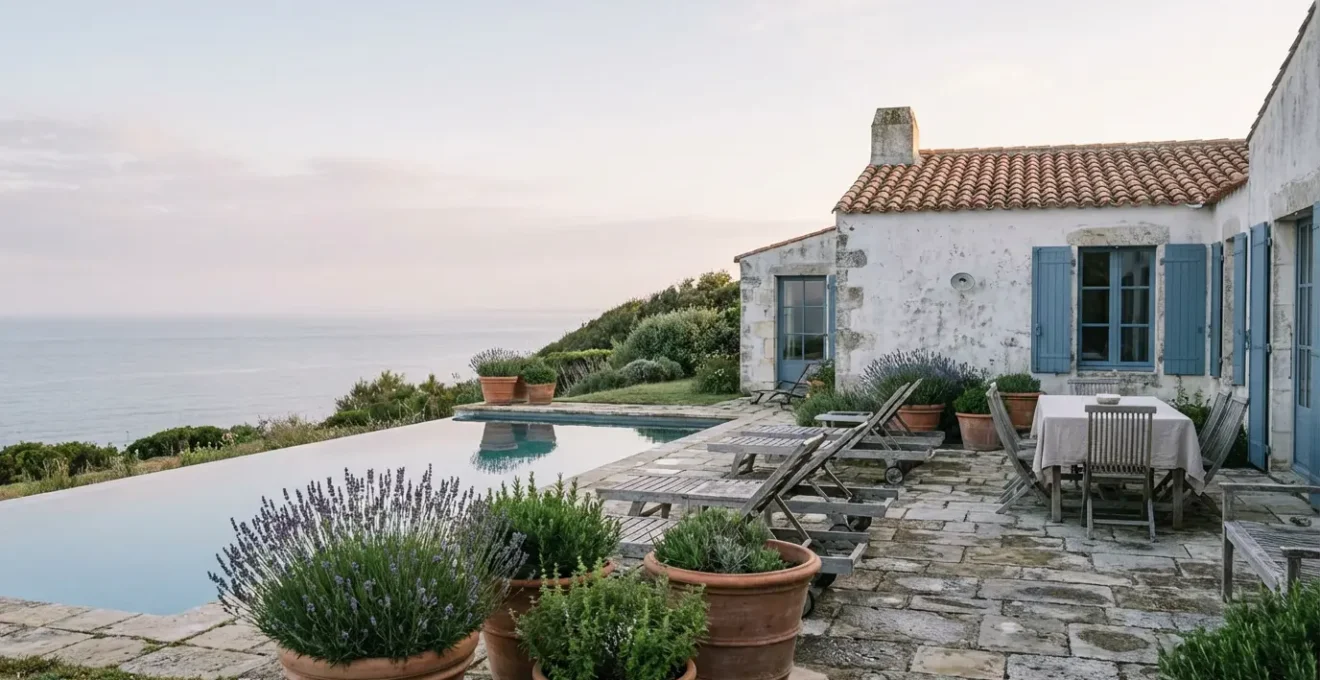
I spent years watching families choose the wrong French region. Not wrong objectively—wrong for them. A couple dreaming of peaceful coastal mornings books the Côte d’Azur in August and finds themselves fighting for beach space. A family wanting culture and gastronomy picks a remote Brittany village with one restaurant. These mismatches happen because most advice treats France as a single destination rather than a collection of vastly different experiences.
Quick Guide: French Regions at a Glance
- Mediterranean (Provence, Côte d’Azur): glamour and sunshine, but peak season crowds
- Atlantic coast (Brittany, Ile de Ré): authentic character, cycling culture, less tourist pressure
- Countryside (Dordogne, Loire): châteaux, wine, gastronomy—no beach required
- Book premium properties 6 months ahead for July-August
- Quality indicators: responsive hosts, recent guest reviews, clear cancellation terms
What you’ll discover
France’s Regional Diversity: Why Location Shapes Your Entire Experience
France welcomed over 100 million international visitors in 2024, generating €71 billion in revenue. Those visitors scattered across regions so different they might as well be separate countries. The mistake I see most often? Treating “France” as the destination rather than narrowing to a specific region first.
Climate varies dramatically. The Mediterranean south offers 300 days of sunshine. Brittany brings Atlantic moods—dramatic skies, cooler temperatures, and a rugged coastline that rewards adventurous spirits. The Loire Valley sits in between, with gentle weather perfect for cycling between châteaux. Your region choice determines not just your view, but your entire daily rhythm.
According to WTTC‘s 2025 tourism forecast, travel and tourism now contributes €274.2 billion to France’s GDP—nearly 10% of the national economy. This infrastructure means reliable rental standards across regions, though character varies wildly. A Provençal farmhouse feels nothing like an Atlantic island villa. Both can be exceptional. Neither suits everyone.
The 6-month rule: Premium properties in popular regions book quickly during peak season. Waiting until spring for a July rental often means settling for second-choice locations. For first-time visitors seeking the quintessential French coastal experience without Mediterranean crowds, I consistently recommend starting your search with the Atlantic islands.
The Mediterranean Pull: Provence, Côte d’Azur, and Languedoc
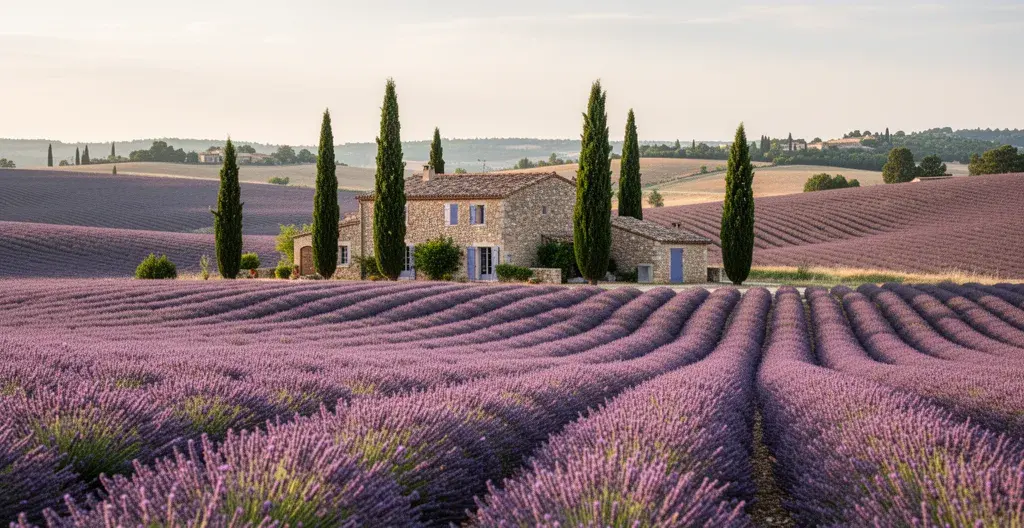
Provence sells a dream: lavender fields stretching toward medieval villages, long lunches under plane trees, rosé wine in the afternoon heat. The reality? That dream exists, but timing matters enormously. July and August bring temperatures exceeding 35°C and traffic jams on roads built for donkey carts.
The Côte d’Azur—Nice, Cannes, Saint-Tropez—offers glamour that no other French region matches. The French Riviera receives 50% of the world’s superyacht fleet annually, with 300 days of sunshine drawing the luxury crowd. But that concentration creates its own problems. Beach access can feel competitive rather than relaxing. Restaurant reservations require advance planning. The exclusivity you’re paying for doesn’t always materialise in peak summer.
Languedoc, stretching west from Provence toward Spain, offers a quieter Mediterranean alternative. Fewer international tourists means lower prices and easier access, though you trade some of the polished infrastructure. The beaches are just as sandy. The wine is arguably better value.
Mediterranean France: The Plus Side
- Reliable sunshine and warm sea temperatures
- World-class dining and cultural heritage
- Well-developed tourism infrastructure
- Easy international airport access (Nice, Marseille)
The Trade-offs
- Peak season crowds diminish exclusivity
- Premium pricing July-August without premium experience
- Intense heat can limit daytime activities
- Traffic congestion on coastal roads
My honest recommendation? Consider May-June or September for the Mediterranean. You’ll find the France the brochures promise—without fighting for your place in it.
Atlantic Escapes: Brittany, Vendée, and the Charente Islands
I frequently hear from guests who initially considered the Côte d’Azur but found the summer crowds overwhelming. Many discover that the Atlantic coast offers the exclusivity they were seeking—without the premium price tag or reservation battles.
A British couple I worked with wanted coastal access combined with wine country atmosphere. They’d nearly booked Provence before we talked through their priorities: teenagers who cycle, a genuine village feel, beaches without tourist density. They ended up on an Atlantic island combining both elements. They’ve returned three consecutive years now.
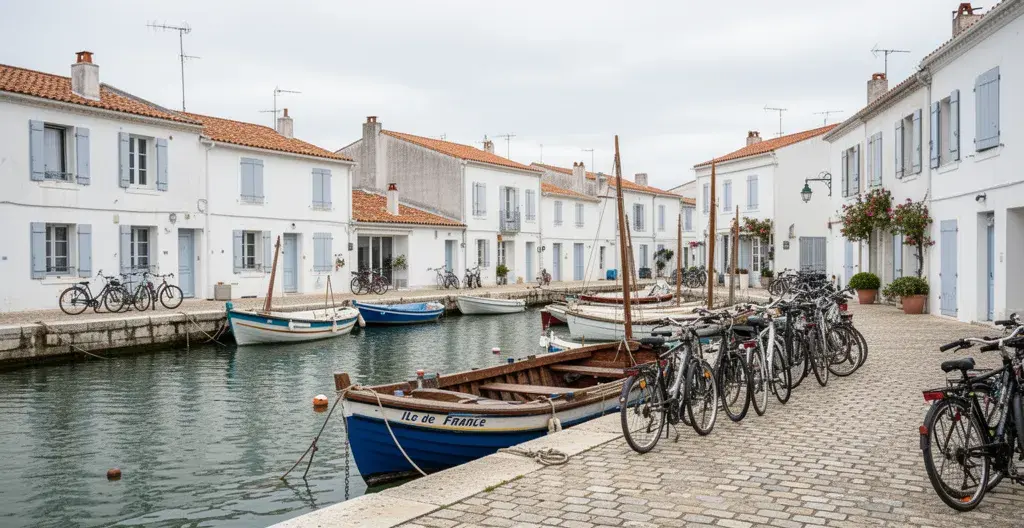
Ile de Ré stretches 18 miles along France’s Atlantic coast, connected to the mainland by bridge from La Rochelle. Tourism is the island’s principal economic activity, yet it maintains a refined understated character. Salt marshes, oyster beds, whitewashed villages, long sandy beaches. No high-rises. No casino strips. The island attracts discerning visitors precisely because it hasn’t tried to become something it isn’t.
If you want to explore your options for the Atlantic islands, you can learn more about curated properties in this region. For practical guidance on what distinguishes quality rentals from disappointing ones, this guide on finding a perfect villa rental on Ile de Ré covers the essential criteria.
Insider booking tip: The Atlantic coast high season runs shorter than the Mediterranean—roughly mid-July to late August. June and September offer excellent conditions with significantly better availability. Water temperatures peak in August-September, making early autumn surprisingly appealing for beach time.
Brittany, further north, brings Celtic heritage and a coastline dramatic enough to rival Cornwall. Seafood here ranks among France’s finest. The trade-off? Cooler temperatures and weather that requires flexibility. Pack layers. Expect some indoor days. The reward is landscapes that genuinely surprise visitors expecting uniform French sunshine.
Countryside and Wine Country: Dordogne, Loire Valley, and Burgundy
What if your perfect French holiday doesn’t need a beach at all? The question sounds almost heretical for summer travel, but I’ve seen families discover that châteaux, vineyards, and village markets deliver deeper satisfaction than any coastline could.
The Dordogne offers prehistoric caves, medieval fortresses, and gastronomy that justifies the region’s reputation. Truffle season. Foie gras. Markets selling produce that reminds you what food should taste like. Properties here tend toward characterful farmhouses rather than sleek modern villas. That rustic charm suits families seeking immersion over polish.
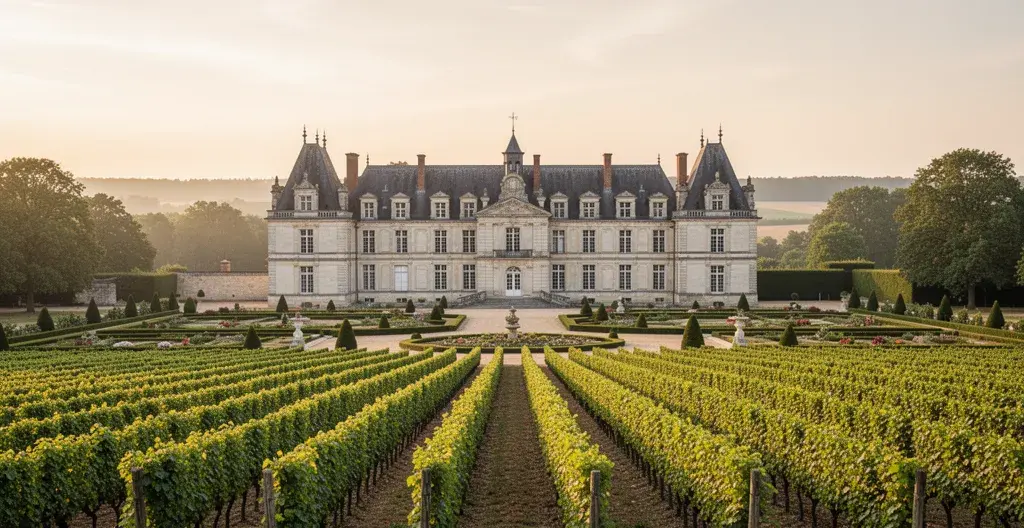
The Loire Valley holds UNESCO World Heritage status for good reason. Centuries of royal history left behind châteaux that still dominate the landscape—Chambord, Chenonceau, Amboise. Cycling routes connect wine villages at a pace that suits leisurely exploration. From London, the TGV reaches Tours in under 3 hours, making the Loire accessible for shorter breaks.
The synthesis below matches regions to priorities. Use it as a starting point, not a final answer—your circumstances matter more than any general comparison.
| Region | Best For | Beach Access | Cultural Depth | Crowd Level |
|---|---|---|---|---|
| Provence | Food, art, markets | Limited | Excellent | High (summer) |
| Côte d’Azur | Glamour, nightlife | Excellent | Good | Very High |
| Ile de Ré | Families, cycling | Excellent | Good | Moderate |
| Brittany | Adventure, seafood | Good | Strong | Low-Moderate |
| Dordogne | History, gastronomy | None | Excellent | Moderate |
| Loire Valley | Châteaux, wine | None | Outstanding | Low |
Burgundy deserves mention for serious wine enthusiasts—Beaune, Dijon, the Côte d’Or vineyards. Properties here skew toward sophisticated restoration projects: former wine estates, converted farmhouses with exposed stone and modern comforts. The clientele tends older, the pace slower, the focus firmly on terroir and table.
The Next Step for Your French Holiday
Choosing the right region matters more than finding the perfect property. A stunning villa in the wrong location disappoints. A modest cottage in the right village creates memories that last decades.
If you’ve narrowed your focus to the Atlantic coast and want to explore what’s actually available, you can book a villa on Ile de Ré once you’re ready to move from research to action. Soyons clairs: start with the region, not the property search. Get the location right, and the rest follows.
France offers more regional variety than most visitors realise. The families I see return year after year aren’t chasing different destinations—they’ve found a region that fits their rhythm and they keep exploring it deeper. That’s the goal worth pursuing.