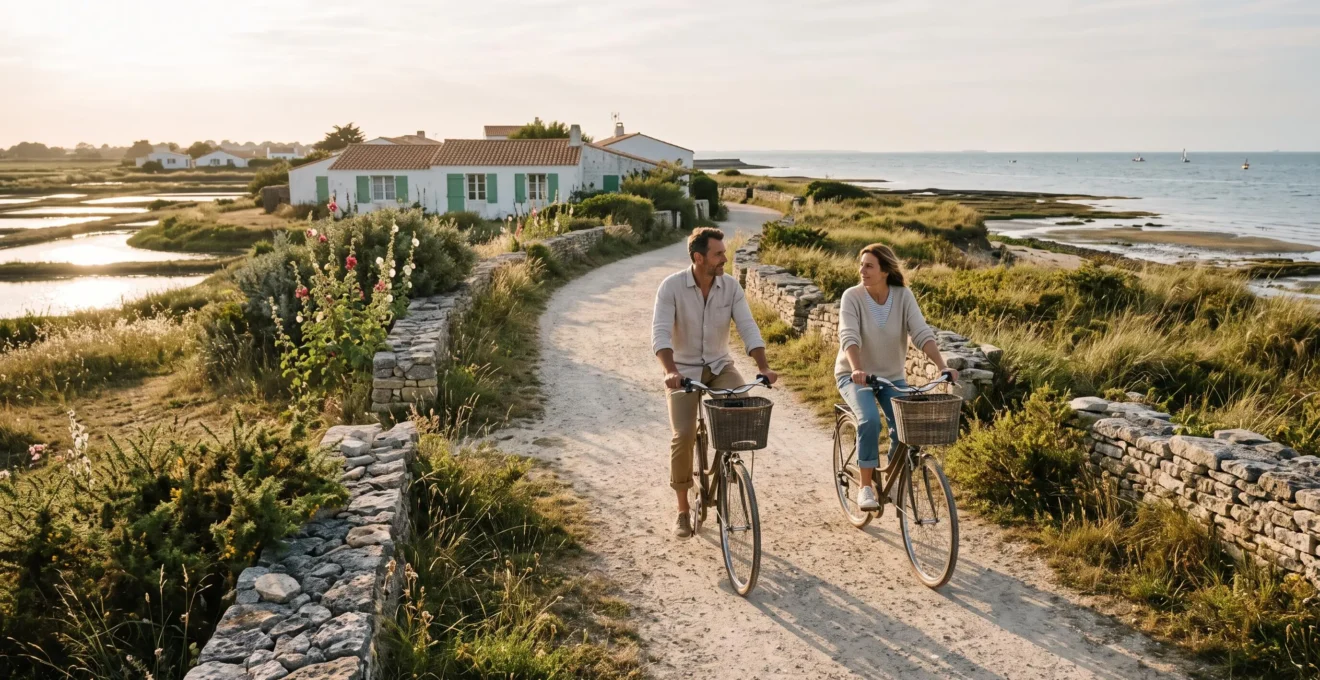
If you are considering France’s Atlantic coast for a premium seaside break, Île de Ré offers a distinctive kind of elegance: understated, rooted in local life, and best enjoyed at an unhurried pace. This luxury travel guide to Île de Ré turns inspiration into a practical plan, covering where to stay, what to experience, and how to organise your trip during busier periods.
The island’s most convincing “luxury” rarely comes from spectacle. It comes from privacy in a well-located villa, long bike rides between salt marshes and vineyards, and a port-side dinner you do not have to overthink—because your itinerary already matches your traveller profile and the season.
How to plan a refined Île de Ré stay without over-planning
- Base yourself in Saint-Martin-de-Ré in spring or September for a polished port atmosphere with easy access to the island.
- Prioritise Ars-en-Ré in late spring or early autumn for salt marsh landscapes and an authentic village pace.
- Book a villa early for July–August; for a calmer premium feel, travel in June or September.
- Use the bike network as your main mode of transport to connect beaches, markets and marshes with minimal friction.
Why Île de Ré Appeals to Luxury Travellers
Direct answer: Yes—Île de Ré can feel genuinely luxurious, but it is a quiet luxury: preserved villages, high-quality hospitality, and nature-forward experiences that reward good planning more than flashy spending.
For travellers seeking a high-end stay, Île de Ré combines village life, coastal scenery and a range of accommodation options. In Saint-Martin-de-Ré, a well-located property can make it easy to enjoy the harbour, browse local shops and dine within walking distance. The atmosphere and level of activity will depend on the dates of your visit.
Île de Ré can also suit a longer, carefully paced break. The official tourist office recommends allowing at least four to five days to enjoy the island without rushing through its villages, beaches and cycle paths.
What this means in practice: travelling in June or September may offer a more relaxed alternative to the busiest summer weeks. However, accommodation availability, restaurant bookings and local traffic vary, so confirm arrangements for your specific dates.
Which Villages and Landscapes Define the Island’s Character?
If your main hesitation is “will it feel premium enough?”, start by choosing villages that naturally support your style of luxury—port sophistication, marshland quiet, or forest-and-beach seclusion. On Île de Ré, location is not just a backdrop: it dictates your daily rhythm, dining options, and how often you will need a car.
Saint-Martin-de-Ré: harbour life and walkable evenings
Best for: travellers who want a lively village centre, harbour-side dining and shops within walking distance. When to visit: June and September may offer a balance between seasonal activity and a less intense atmosphere than the busiest summer weeks.
Saint-Martin-de-Ré is a practical base for visitors who enjoy stepping out for coffee, browsing shops and returning to accommodation close to the village centre. Its location can also make day trips easier to organise, although the convenience will depend on the exact property and the places you plan to visit.
Ars-en-Ré: salt marshes and a slower village pace
Best for: travellers who prefer a quieter setting, access to salt marsh landscapes and a village atmosphere away from the liveliest harbour areas. When to visit: late spring and early autumn are worth considering if you want to explore on foot or by bike outside the busiest summer period.
Ars-en-Ré has recognised heritage and tourism credentials, including its association with the “Les Plus Beaux Villages de France” network and its tourism-resort status. These distinctions provide useful context, but they do not determine whether the village is the right fit for every traveller. Compare the location of your accommodation with the activities and services you want nearby before making a decision.
La Flotte and Les Portes-en-Ré: two different coastal settings
Best for: travellers who want a village-based stay with access to coastal landscapes, whether they prefer a lively harbour setting or a quieter base close to nature. When to visit: May–June and September are worth considering if you want to avoid the busiest summer weeks.
La Flotte offers a picturesque harbour and a lively village centre, while Les Portes-en-Ré is a useful option for travellers drawn to the island’s northern landscapes. In either village, check the exact location of your accommodation, nearby dining options and access to cycle paths before booking. A property outside the centre may require more planning for meals and evening outings.
Planning shortcut: If you can only pick two atmospheres, pair Saint-Martin-de-Ré (port energy) with Ars-en-Ré (marshland calm) in June or September.
A refined one-day loop (hypothetical): start in Saint-Martin-de-Ré for a harbour coffee in the morning (best outside peak weekends), cycle towards the salt marshes by midday, then slow down in Ars-en-Ré for a sunset stroll before returning.
Curated Experiences: Gastronomy, Cycling and Atlantic Views
The most premium moments on Île de Ré are often the simplest—if you time them well. Think early market shopping, a long cycle between vineyards and marshes, and an unhurried seafood table where the setting feels local rather than staged.
How to enjoy the island’s local food scene
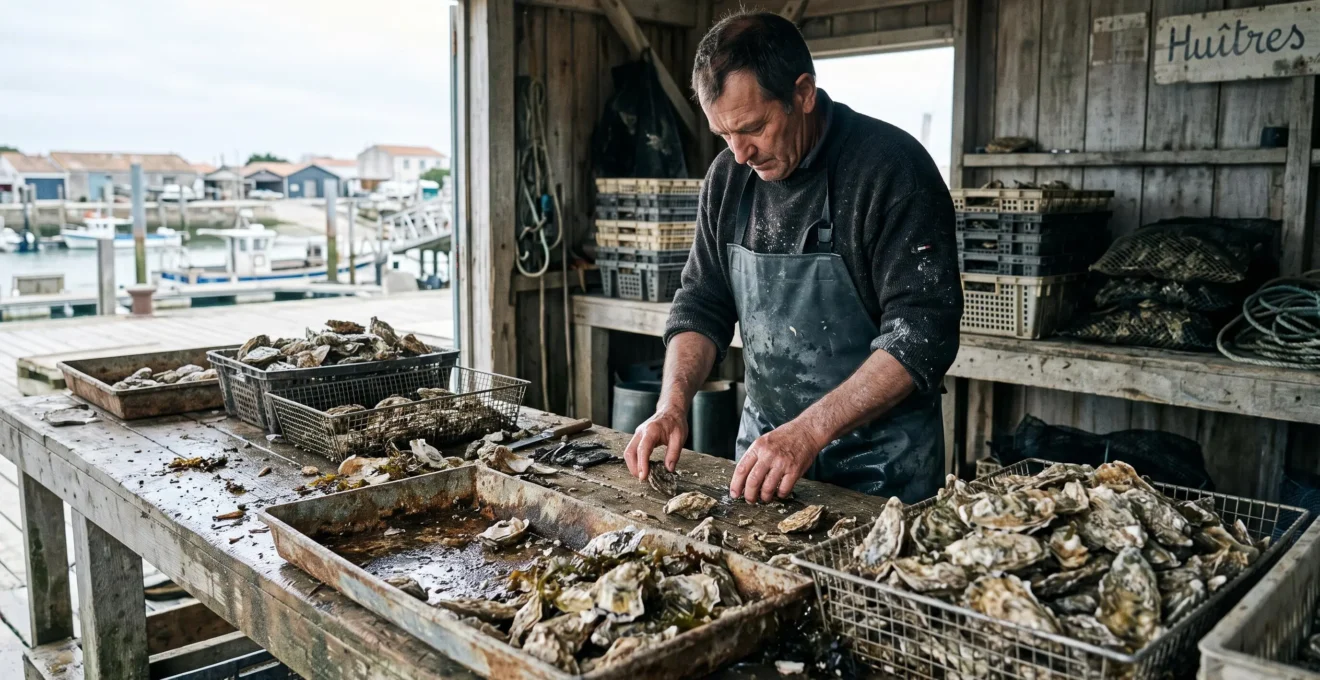
Île de Ré’s food scene offers several ways to connect with local produce, from oysters and seafood to ingredients found at village markets. In harbour villages such as Saint-Martin-de-Ré and La Flotte, you can combine a market visit or a relaxed lunch with an evening meal close to the water.
For a more considered itinerary, shop at a market in the morning, leave time for a leisurely lunch, and reserve a restaurant for an evening when you want a more formal experience. If you plan to visit a specific restaurant during a busy period, check its opening days and reserve ahead rather than assuming a table will be available.
How cycling can shape your stay on Île de Ré
Cycling is a practical way to connect beaches, villages and salt marshes while reducing the need to drive and park. The island has an extensive network of cycle paths, although routes can become busy during the high season. Choose rides that suit your group’s abilities and leave enough time for stops along the way.
The official Île de Ré tourist office website provides useful information for planning your stay and exploring the island’s villages. Use it alongside local route information to organise rides that fit your accommodation location and the amount of time you have.
Where to find the most memorable Atlantic views?
Answer: plan one “coastline” moment per day—either a beach walk, a sunset stop, or a viewpoint tied to your base village—so it feels intentional rather than squeezed in. Best fit: travellers who value scenery and photography as part of the experience. Ideal season: June and September for atmosphere with fewer bottlenecks.
A practical approach is to protect your best light: mornings for markets and cycling, late afternoons for the ocean. This rhythm also makes dinners feel earned and unhurried—exactly the kind of refinement the island does best.
Sample itinerary
For a couple planning a relaxed September break, one option is to spend two nights in Saint-Martin-de-Ré for harbour-side dining and walkable evenings, followed by two nights near Ars-en-Ré for access to the salt marshes and a quieter setting. Before splitting the stay, compare accommodation availability and travel times to make sure the extra move is worthwhile.
Where to Stay: Choosing a Luxury Villa on Île de Ré
Choosing a villa is less about chasing a generic “luxury villa rental Île de Ré” label and more about matching your address to your travel style. On an island where villages have distinct atmospheres, the wrong location can quietly dilute the experience—especially in high season.
How to choose a villa on Île de Ré
Start by listing your priorities: privacy, walkability, beach access, outdoor space or proximity to the salt marshes. Then choose a village that fits your plans and compare properties based on their exact location, facilities, access arrangements and booking conditions. If you are travelling in July or August, start looking early, particularly if your dates and preferred location are fixed.
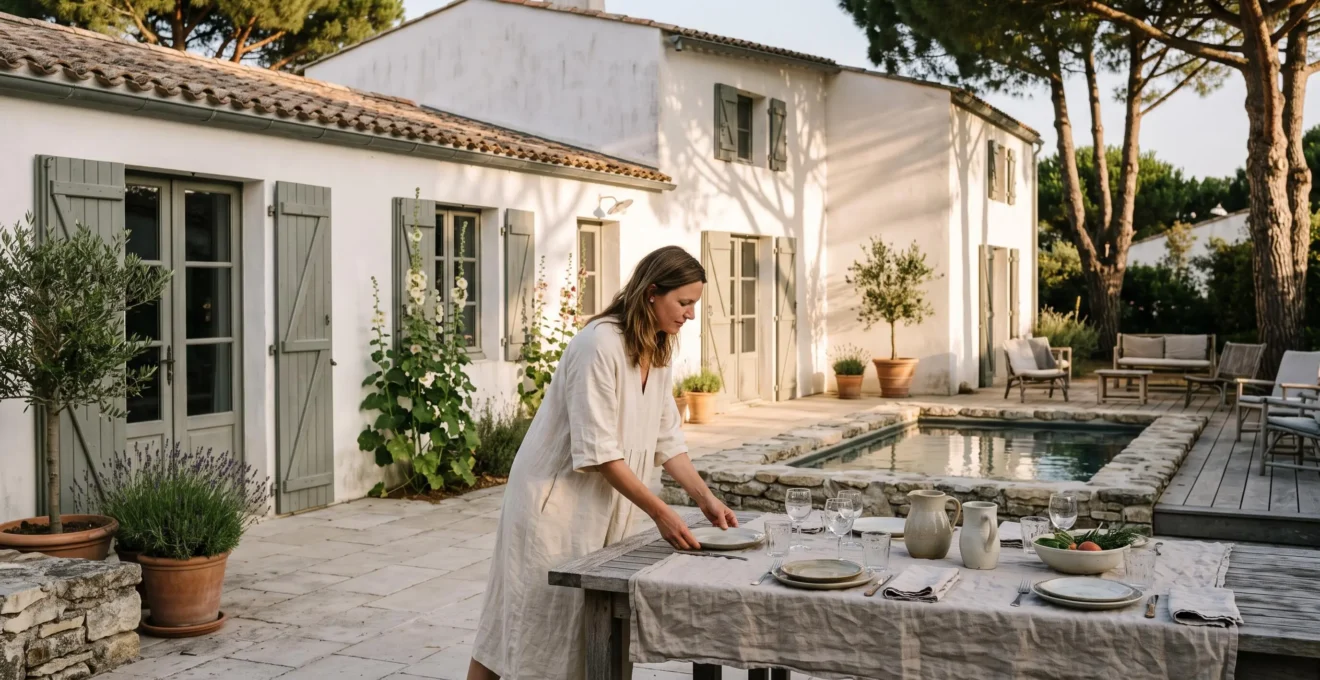
Look beyond the photographs when assessing a property. Check how far it is from shops, restaurants and cycle paths, whether outdoor areas are private, and what services are included in the rental. A villa that suits your daily routine may be a better choice than a larger property that requires frequent car journeys.
| Decision factor | Family focused on beaches | Couple seeking village life |
|---|---|---|
| Best-fitting village style | Quieter, nature-led areas with easy coastal access | Port or village centre with walkable evenings |
| Ideal season | June or early July for smoother logistics | May–June or September for atmosphere and availability |
| Villa priorities | Outdoor space and practical daily routine | Walkability, dining access, and an elegant setting |
| Trade-off to accept | More planning for dinners if you stay remote | Less absolute quiet in livelier hubs |
Peak-season reality check: in July–August, the most comfortable villas are often the ones that were reserved earliest. If privacy and precise location are essential, treat booking as part of the luxury experience—not a last-minute task.
Planning Your Trip: Practical Tips for a Seamless Stay
A successful stay on Île de Ré starts with three choices: a village that suits your priorities, dates that match your preferred atmosphere, and accommodation that makes daily travel practical. From there, build your itinerary around local markets, cycling routes, coastal walks and meals worth taking your time over. A few well-chosen plans, combined with room for spontaneity, can make a four- to five-day visit feel complete without trying to see everything.
When is the best time to visit Île de Ré?
Answer: for many luxury travellers, June and September offer the best balance of pleasant weather and smoother access to restaurants, beaches, and villas. July–August can still be excellent, but it typically requires earlier booking and more patience with traffic and parking in popular areas.
How long should I stay to avoid a rushed itinerary?
For travellers who prefer a balance between seasonal activity and a less crowded atmosphere, June and September are worth considering. July and August bring the height of the summer season, so book accommodation early and allow extra time for traffic and parking in popular areas. Weather, opening times and availability vary, so choose your dates according to the experience you want.
How long should I stay to avoid a rushed itinerary?
Plan at least 4 to 5 days if you want time to explore several villages, visit beaches and enjoy the cycle paths without rushing. This follows the guidance of the Office de Tourisme de l’Île de Ré. A shorter visit can still work well if you choose one base and focus on a smaller part of the island.
How do I get to Île de Ré and move around?
Many visitors travel via La Rochelle before continuing to the island by road or bus. Once there, cycling and walking are convenient options for exploring villages and nearby attractions. The best transport plan depends on your accommodation, luggage, mobility needs and the places you want to visit.
During the high season, consider leaving the car parked for some outings and using cycle paths or public transport where practical. If cycling is not suitable for everyone in your group, check local bus services and other transport options before finalising your itinerary.
- Choose your base village first. Pick Saint-Martin-de-Ré for harbour-side dining and walkable evenings, or consider Ars-en-Ré if you prefer a quieter setting near the salt marshes.
- Book your accommodation early for July and August. Prioritise the location and facilities you will actually use, especially if your travel dates are fixed.
- Plan one main experience each day. Combine a market visit, a cycle ride and time by the coast, keeping dinner close to your base on busier days.
- Leave room for spontaneity. Limit the number of stops and allow time to enjoy places that appeal to you along the way.
Is Île de Ré good for a luxury holiday?
Yes—if your idea of luxury is privacy, a refined setting, and high-quality local experiences rather than ostentation. The most consistent results come from choosing the right village for your style and travelling in June or September for a smoother pace.
Which villages should I visit on Île de Ré during a luxury stay?
For port-side elegance and convenience, prioritise Saint-Martin-de-Ré (ideal in June/September). For salt marsh landscapes and a slower, authentic atmosphere, add Ars-en-Ré (late spring/early autumn). Consider quieter coastal villages if privacy is your main priority.
How do I choose and book a luxury villa on Île de Ré?
Start with your non-negotiables (walkability vs seclusion, beach access, outdoor space), then choose the village that supports that rhythm. If you are travelling in July–August, treat early booking as essential—especially if you want a precise location and strong privacy.