Destination guides
Choosing where to travel can feel overwhelming with countless options across every continent. From bustling metropolitan cities to remote mountain villages, from tropical beaches to arctic wilderness, each destination offers unique experiences that can transform your journey. Understanding how to evaluate, select, and prepare for a destination is essential for creating memorable travel experiences that align with your interests, budget, and travel style.
This resource explores the fundamental aspects of destination planning, covering the various types of destinations available, practical research methods, budgeting strategies, and cultural preparation techniques. Whether you’re a first-time traveler or someone looking to refine your planning approach, these insights will help you make informed decisions and prepare thoroughly for your next adventure.
Understanding Different Types of Travel Destinations
Travel destinations fall into distinct categories, each offering different atmospheres, activities, and experiences. Recognizing these categories helps you identify what resonates with your travel preferences and what kind of journey you want to create.
Urban and Metropolitan Destinations
Major cities like Tokyo, Paris, New York, and Dubai attract millions of visitors who seek cultural immersion, world-class dining, historical landmarks, and vibrant nightlife. Urban destinations typically offer excellent public transportation, diverse accommodation options, and concentrated attractions within walkable distances. They’re ideal for travelers who enjoy fast-paced environments, museums, theaters, and culinary exploration. The challenge often lies in managing higher costs and navigating crowds, particularly during peak seasons.
Natural and Wilderness Destinations
National parks, mountain ranges, coastal areas, and remote wilderness locations appeal to travelers seeking tranquility and outdoor adventure. Destinations like Patagonia, the Norwegian fjords, or New Zealand’s South Island offer hiking, wildlife observation, and disconnection from daily routines. These locations typically require more self-sufficiency, advance planning for accommodation, and awareness of weather conditions and seasonal access. They reward visitors with unparalleled natural beauty and opportunities for physical challenge and personal reflection.
Beach and Island Destinations
Coastal and island destinations ranging from the Maldives to the Caribbean, from Thailand’s islands to the Mediterranean coast, combine relaxation with water-based activities. These locations attract travelers seeking warm climates, water sports, and resort experiences. Consider factors like hurricane seasons, coral reef protection regulations, and the balance between developed resort areas versus authentic local communities when selecting beach destinations.
How to Choose the Right Destination for Your Needs
Selecting an appropriate destination involves honest self-assessment and clear priority-setting. Begin by identifying your primary travel motivation: are you seeking relaxation, adventure, cultural education, culinary experiences, or personal challenge? Your answer should directly influence your destination selection.
Consider your physical capabilities and comfort zones. A trek through the Himalayas demands different fitness levels than exploring European museums. Similarly, some travelers thrive in destinations where they don’t speak the language, while others prefer locations with familiar linguistic and cultural frameworks. There’s no universal “best” destination—only destinations that align better or worse with your individual preferences and circumstances.
Evaluate practical constraints including available time, travel companions, and any accessibility requirements. A destination requiring multiple connecting flights and extensive ground transportation may not suit a short vacation. Traveling with young children, elderly family members, or individuals with mobility considerations necessitates destinations with appropriate infrastructure and medical facilities.
Climate preferences significantly impact satisfaction. Research typical weather patterns during your intended travel period. Some travelers seek eternal summer, while others prefer autumn foliage or winter snow sports. Remember that shoulder seasons—periods just before or after peak tourist times—often offer pleasant weather with fewer crowds and lower prices.
Planning and Researching Your Destination
Thorough research transforms a destination from an abstract concept into a tangible plan. Start by consulting multiple information sources to develop a balanced understanding. Travel blogs offer personal perspectives and recent experiences, while official tourism boards provide comprehensive logistical information. Forums and social media groups connect you with travelers who’ve recently visited, offering current insights on conditions, costs, and changes.
Create a preliminary list of must-see attractions and experiences for your destination, then organize them geographically. This exercise reveals whether your interests cluster in specific areas or span the entire region, directly informing accommodation decisions and itinerary structure. Many travelers overestimate how much they can accomplish daily—factor in travel time between locations, rest periods, and spontaneous discoveries.
Research visa requirements, vaccination recommendations, and entry regulations well in advance. Some countries require visas obtained weeks before travel, while others offer visa-on-arrival or electronic authorization systems. Health requirements vary significantly; tropical destinations may recommend vaccinations that require multiple doses over several months.
Investigate local transportation options thoroughly. Some destinations have excellent public transportation networks making rental cars unnecessary and sometimes burdensome. Others require personal vehicles for accessing key attractions. Understanding transportation realities prevents arrival-day confusion and helps you budget accurately.
Budgeting and Cost Considerations
Destination costs vary dramatically, and understanding this variation enables realistic planning. Accommodation, food, transportation, and activities represent your primary expense categories. A comfortable mid-range daily budget might be $50 in Southeast Asian destinations, $100-150 in Eastern European cities, or $200-300 in Scandinavian countries or major urban centers like London or Sydney.
Research actual costs through recent traveler reports rather than relying on outdated information. Prices for accommodation and activities can shift significantly. Look for breakdown budgets where travelers detail their daily spending across categories. This granular information proves more valuable than average daily totals, as spending patterns vary based on travel style.
Consider the hidden costs that casual research might overlook:
- Travel insurance appropriate for your destination’s risk profile and planned activities
- Tips and service charges in cultures where they’re expected or automatically added
- Entrance fees for museums, parks, and attractions that accumulate quickly
- Visa and border crossing fees, particularly in regions where you’ll visit multiple countries
- Communication costs including international phone plans or local SIM cards
- Luggage fees, airport transfers, and other transportation supplements
Build a contingency buffer of 15-20% beyond your calculated budget. Unexpected opportunities arise—a cooking class, a boat tour, or a unique local event—and financial flexibility allows you to embrace them without stress. Similarly, minor emergencies like replacing lost items or seeking medical attention for minor ailments shouldn’t derail your entire trip.
Cultural Preparation and Local Insights
Understanding cultural context enriches your experience and demonstrates respect for your hosts. Research fundamental customs regarding greetings, dining etiquette, dress codes, and appropriate behavior in religious or sacred spaces. These considerations aren’t about losing your identity but about showing consideration in someone else’s home.
Learn basic phrases in the local language—greetings, thank you, please, excuse me, and simple questions. Even minimal effort in language learning is typically appreciated and often reciprocated with patience and warmth. Download offline translation apps as backup, but attempt personal communication first.
Investigate local holidays, festivals, and potential closing periods. Arriving during a major holiday might mean closed businesses and fully booked accommodation, or it might offer extraordinary cultural experiences unavailable at other times. Understanding these patterns allows you to decide whether to embrace or avoid these periods.
Research current safety considerations and local sensitivities. Government travel advisories provide baseline information, though they often reflect worst-case scenarios. Balance official warnings with recent traveler experiences and local news sources. Understand neighborhood differences within cities—most destinations have areas to avoid, just as they have perfectly safe districts.
Consider environmental and ethical implications of your destination choice and planned activities. Fragile ecosystems, overtourism impacts, and ethical concerns around certain attractions (like animal tourism or exploitative cultural performances) deserve consideration. Responsible travel means understanding your impact and making conscious choices that minimize harm while supporting local communities appropriately.
Preparing for a destination involves more than booking flights and accommodation. It requires understanding the place’s character, respecting its culture, planning realistically within your constraints, and approaching the experience with curiosity and flexibility. The destinations you choose and how you prepare for them ultimately

How to Find Scenic Viewpoints That Aren’t Swarmed by Tourists
Finding truly empty viewpoints isn’t about luck or early alarms; it’s about adopting the systematic mindset of a professional location scout to see the landscape differently. Use digital reconnaissance tools like Google Earth to identify potential overlooks before you ever…
Read more
How to Visit Fragile Historic Sites Responsibly and Safely?
The greatest threat to ancient sites isn’t time; it’s the cumulative impact of well-intentioned but uninformed visitors. Your touch, your path, and even your sunscreen have measurable, destructive consequences on fragile materials. Strategic planning allows you to avoid crowds not…
Read more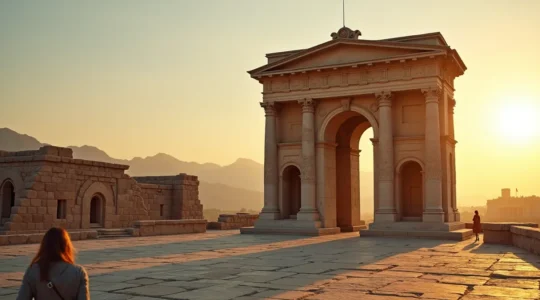
How to Visit Architectural Landmarks Without Fighting the Crowds?
In summary: Instead of avoiding crowds, develop a strategic eye to see and capture a building’s unique story. Use challenging conditions like midday light and restoration scaffolding as creative opportunities. Learn to “read” a building’s historical layers to create more…
Read more
How to Plan the Perfect 48-Hour City Break Without Burnout?
In summary: Focus on energy, not just time or money. The best trips prioritize joy over checklists, measuring an activity’s “Energy ROI.” Choose a central hotel to minimize travel friction. Pick only 3 core experiences you genuinely want and create…
Read more
How to Plan Your First Overseas Trip Without Getting Overwhelmed?
The secret to a stress-free first international trip isn’t a perfect itinerary; it’s building robust logistical and psychological safety nets that empower you to handle the unexpected with confidence. Shift focus from avoiding problems to creating systems (like an arrival…
Read more