Gastronomy and specialties
Few aspects of travel reveal the soul of a destination quite like its gastronomy. The way communities prepare food, the ingredients they treasure, and the rituals surrounding meals offer profound insights into history, geography, and values that no guidebook can fully capture. Food becomes a language that transcends borders, inviting travelers to understand cultures from the inside out.
Exploring gastronomy and specialties transforms ordinary trips into immersive cultural experiences. Whether you’re savoring street food at dawn in a bustling market, learning family recipes passed through generations, or understanding why certain ingredients define a region’s identity, culinary discovery adds depth and authenticity to every journey. This comprehensive resource will help you navigate the rich landscape of regional cuisines, traditional cooking methods, and the food experiences that make each destination memorable.
Why Gastronomy Defines Cultural Identity
Every region’s cuisine tells a story shaped by climate, trade routes, religious practices, and historical events. The ingredients available locally, preservation techniques developed before refrigeration, and festive dishes created for specific celebrations all reflect how communities adapted to their environment and circumstances over centuries.
Historical Influences on Regional Cooking
Trade routes brought exotic spices to coastal regions, creating fusion cuisines that blended indigenous ingredients with foreign flavors. Colonization, migration, and conquest left lasting imprints on culinary traditions, explaining why you might find unexpected flavor combinations that seem paradoxical until you understand their historical context. A dish that appears simple often contains layers of cultural exchange spanning hundreds of years.
Geography and Available Ingredients
Mountain communities developed entirely different culinary traditions than coastal ones, simply based on what they could grow, raise, or harvest. Altitude affects which crops thrive, proximity to water determines protein sources, and climate dictates preservation methods. These geographical constraints bred creativity, turning limitations into distinctive regional specialties that couldn’t have emerged anywhere else.
Religious and Social Traditions
Fasting periods, feast days, and ceremonial meals shaped ingredient choices and cooking techniques across cultures. Dietary restrictions encouraged innovation with plant-based proteins, while celebration dishes often featured rare or expensive ingredients reserved for special occasions. Understanding these contexts transforms a simple meal into a window onto community values and spiritual practices.
Regional Ingredients and Seasonal Products
The foundation of authentic gastronomy rests on ingredients that grow naturally in specific microclimates and terroirs. These products carry unique flavors impossible to replicate elsewhere, making them the building blocks of regional identity. Learning to recognize and appreciate these ingredients deepens your understanding of local cuisine.
Heritage vegetables and grains represent biodiversity preserved by farming communities over generations. Many regions cultivate heirloom varieties that commercial agriculture abandoned decades ago, maintaining flavors and nutritional profiles adapted to local soil conditions. These ingredients often appear only during specific harvest windows, making seasonality central to authentic culinary experiences.
Artisanal producers—whether making cheese, curing meats, pressing oils, or fermenting condiments—employ methods refined over centuries. Their products taste distinctly different from industrial equivalents because time, craftsmanship, and traditional techniques cannot be rushed or mechanized. A farmhouse cheese aged in natural caves develops complex flavors that reflect the specific bacteria and humidity of that exact location.
Markets provide the most authentic access to seasonal ingredients. Visiting during harvest periods reveals products at peak freshness and flavor, often prepared in traditional ways by vendors who grew up cooking them. The rhythm of seasons dictates menus in traditional establishments, creating a calendar of dishes that appear and disappear with the availability of key ingredients.
From Traditional Recipes to Modern Interpretations
Culinary traditions constantly evolve as new generations reinterpret ancestral recipes. This tension between preservation and innovation defines contemporary gastronomy, creating diverse dining experiences that range from strictly traditional to daringly experimental—all rooted in regional identity.
Traditional establishments, often family-run for multiple generations, serve dishes prepared exactly as they were decades ago. These restaurants function as living museums, preserving recipes that might otherwise disappear. The value lies not just in taste but in culinary authenticity—experiencing food exactly as previous generations did, using unchanged methods and ingredient combinations.
Contemporary chefs increasingly reimagine regional classics, applying modern techniques while respecting core flavors and ingredients. They might deconstruct a traditional dish, present it with unexpected textures, or pair it with international influences, creating fusion that honors origins while exploring new possibilities. This approach attracts younger diners while keeping traditional ingredients and flavors relevant.
The debate between purists and innovators enriches food culture rather than diminishing it. Both approaches have merit: preservation maintains culinary heritage for future generations, while innovation ensures traditions remain dynamic and appealing. Travelers benefit from this diversity, able to choose experiences matching their preferences while appreciating the full spectrum of regional gastronomy.
Culinary Experiences for Every Traveler
Food tourism encompasses far more than restaurant meals. The most memorable culinary experiences often involve active participation, whether through hands-on learning, direct interaction with producers, or immersion in food-centered community events. These experiences create lasting connections to places and cultures.
Markets and Street Food Culture
Local markets serve as community hubs where culinary traditions remain most visible and accessible. Morning markets display seasonal produce, allow conversations with growers, and often feature prepared foods showcasing regional specialties at accessible prices. Street food vendors frequently represent the most authentic expression of local cuisine—dishes that local workers and families eat daily, prepared with efficiency and pride honed through repetition.
Cooking Classes and Home Dining
Learning to prepare regional dishes yourself creates understanding impossible to gain through observation alone. Cooking classes reveal the logic behind ingredient combinations, the importance of technique, and the sensory cues that signal when a dish reaches perfection. Home dining experiences with local families offer even deeper immersion, showing how food fits into daily life and family dynamics.
Farm Visits and Producer Tours
Witnessing where ingredients originate—whether orchards, vineyards, dairies, or fishing harbors—connects the dots between landscape and cuisine. These visits often include tastings that demonstrate how terroir affects flavor, plus insights into sustainable practices and traditional production methods. Meeting people who dedicate their lives to crafting exceptional ingredients adds human dimension to culinary appreciation.
How to Find Authentic Local Cuisine
Distinguishing authentic regional cuisine from tourist-oriented imitations requires observation and research. Several reliable indicators help identify establishments and experiences offering genuine culinary traditions rather than commercialized approximations designed for foreign palates.
Restaurants filled with local diners rather than tourists generally indicate authenticity and fair pricing. Observe where residents eat, especially during lunch hours when locals make quick, value-conscious decisions. Menus featuring seasonal specialties that change throughout the year suggest kitchen commitment to fresh, regional ingredients rather than frozen imports.
Limited menus often signal quality and authenticity—kitchens focused on executing a small number of dishes excellently rather than offering vast options that require pre-preparation or frozen components. Family-run establishments frequently maintain traditional recipes and preparation methods passed through generations, prioritizing authenticity over convenience.
Seeking recommendations from residents yields better results than online reviews dominated by tourist perspectives. Hotel staff, shopkeepers, and taxi drivers know which establishments locals trust and where they celebrate special occasions. Food bloggers and social media accounts run by locals provide insider knowledge about hidden gems and seasonal specialties worth seeking out.
Understanding basic culinary terminology and traditional dish names in the local language enhances your ability to identify authentic options and communicate preferences. This effort demonstrates respect for local culture and often leads to more genuine interactions and recommendations.
Gastronomy and specialties offer travelers unparalleled opportunities to connect with destinations on a profound level. By approaching regional cuisine with curiosity, respect, and willingness to step beyond familiar comfort zones, you transform meals into cultural education and human connection. Whether you’re exploring traditional markets, learning ancestral recipes, or savoring dishes perfected over generations, food becomes the most delicious lens through which to understand the world’s beautiful diversity.
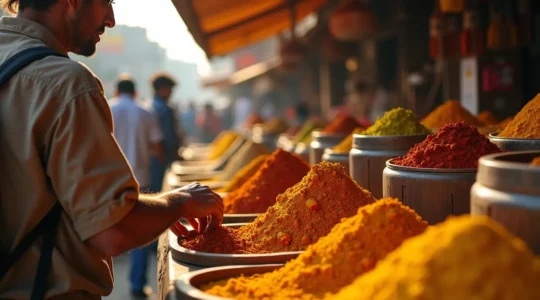
How to Buy and Transport Spices Legally and Freshly?
In summary: Trust your nose and touch over sight; vibrant color can be a sign of dangerous adulterants like lead. Always choose whole spices over ground to preserve their flavor and extend shelf life significantly. Understand customs regulations for your…
Read more
How to Navigate Foreign Dining Etiquette Without Offending Your Hosts?
Contrary to popular belief, mastering foreign dining etiquette isn’t about memorizing endless rules, but about understanding the ‘cultural grammar’ that shapes a meal. The logic behind tipping, sharing food, and even dinner times is rooted in deep-seated social contracts and…
Read more
How to Plan a Culinary Trip Without Gaining Weight or Blowing the Budget?
The secret to a perfect culinary trip isn’t restriction, but strategic design. Treat your itinerary like a balanced portfolio of experiences, mixing high-end indulgence with authentic, low-cost discovery. Master the psychology of budgeting and the art of pacing to enjoy…
Read more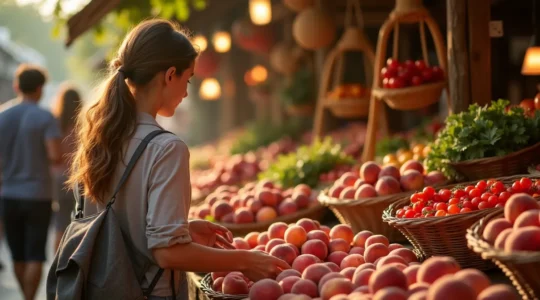
How to Identify and Eat Strictly Seasonal Produce Abroad: The Ultimate Guide to Flavor
Contrary to popular belief, simply visiting a farmer’s market abroad doesn’t guarantee you’re eating local or seasonal food. Many markets and restaurants mix authentic local goods with bland, mass-produced imports that have traveled thousands of miles. Without the right skills,…
Read more
How to Leverage Open Kitchen Seating for a Superior Dining Experience
The best seat at an open kitchen isn’t about proximity; it’s about perspective. Observing the kitchen’s flow and hygiene reveals more about a restaurant’s quality than any menu. Strategic requests, timed correctly, can secure you a seat at the heart…
Read more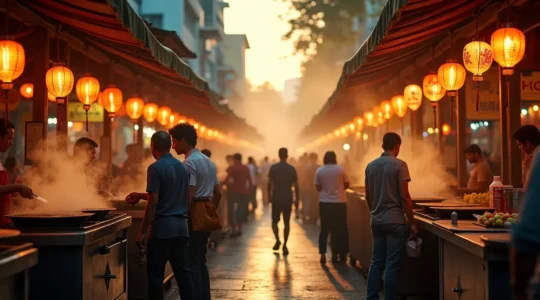
How to Eat Street Food Anywhere Without Getting Sick?
The fear of getting sick is the biggest barrier to authentic travel eats, but the solution isn’t avoidance—it’s intelligence. Learn to “decode” a food stall’s queue by analyzing its demographics, not just its length. Master the hidden rules of food…
Read more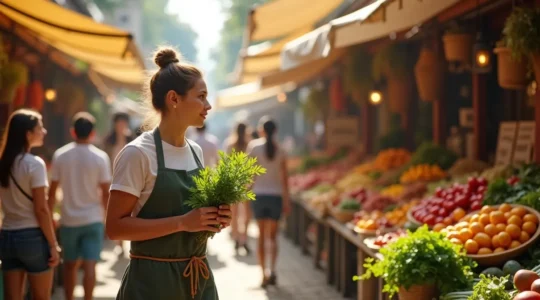
How to Choose a Cooking Class That Actually Teaches You Skills?
The greatest value of a travel cooking class lies not in the dish you make, but in the transferable skills and sensory awareness you take home. A class that skips a detailed market tour is often a “tourist trap” focused…
Read more